
OLIVINE
Calcined bauxite is a processed form of bauxite ore, an aluminum ore, that has been heated to high temperatures to remove moisture and increase its alumina (aluminum oxide) content. This process, known as calcination, results in a material with enhanced properties that make it suitable for various industrial applications

Introduction
We have been carrying on our mining activities by manufacturing manganese,chrome,refractor concentrate chromite and olivine giving importance to our quality and customer satisfaction since 2007.Our target is to supply the olivine mineral, which is demanded by the iron steel industry and refractor industry, to our customer with high
quality.
OLIVINE Types
olivine combines high refractoriness, low thermal conductivity, linear thermal expansion and low reactivity to metals and basic slags, and is excellent as a raw material in refractories for steel and non-ferrous applications.
Everything you need Know
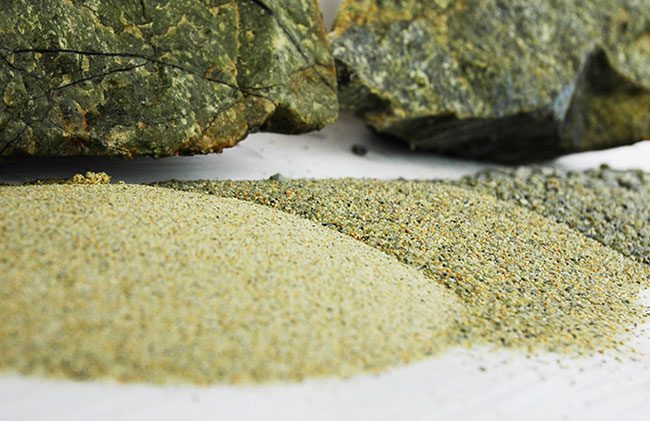
What is the olivine?
By comparing the olivine mining with other minerals,it can be regarded as very new. Olivine mineral has become
an important an important mineral in the iron steel , casting industry of the European and developed countries of
world since 25 year because of it s both chemical and physical specifications.
The olivine consumption is increasing rapidly, because of the regulations issued in the developed countries on the
world in order to prevent the risks of the occupational and environmental health and within these regulations they
are going to prohibit the use of the minerals and raw materials including free silica and olivine is also economical
than the other minerals which are an alternative to the olivine ( The ministry of health had prohibited the use of free
silica in our country on the year of 2009)
Olivine mineral dose not include free silica.
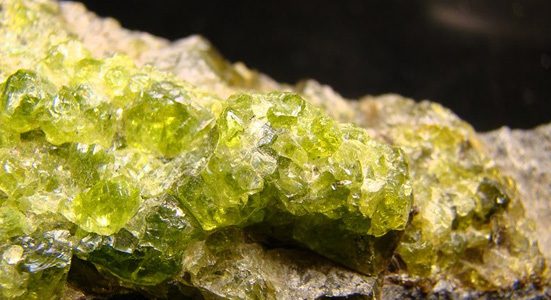
Although Olivine is generally explaining as a term the mean silicate group ,which is including the solid solution mixture of Foster it (Mg2Si04) and Fayalite(Fe2Si04) it is used in order to describe the minerals including 85% Foster it.
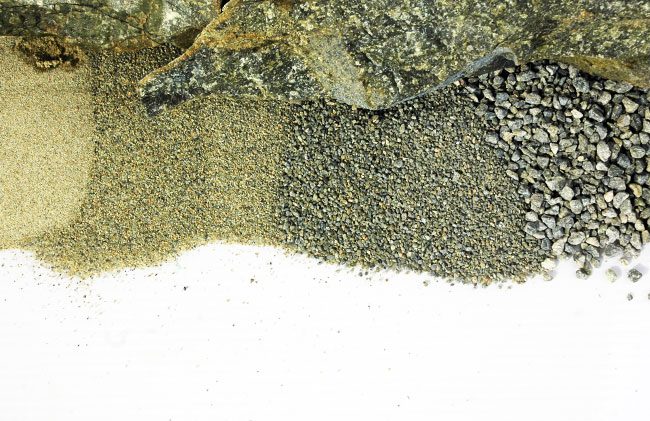
Whether Olivine ha generaly a green and dark green colour, it is a relatively hard mineral. The hardness of it is… (Mohs hardness scale) and its density is 3.22 gr/cm3– 4.40 gr/cm3 regarding the Fe ratio.
Th Olivine, especially the magnesium olivine’s,are included mainly in the ultra base rocks. The olivine is found in the dunites is ultra basic rocks.The amount of the olivine in the dunite is 95–99%. The dunites are found general as mass.
It is generally preferred that in the oiliness used in the industry, the MgO amount shall not be more than 46% and the total amount of Fe oxides not more than 7-8%. In addition to this, it is preferred that the total amount of the other metal oxides shall not be less that 3% and the loss of ignition not exceed 2%.
EBT SAND
It has more that 99% free opening ratio
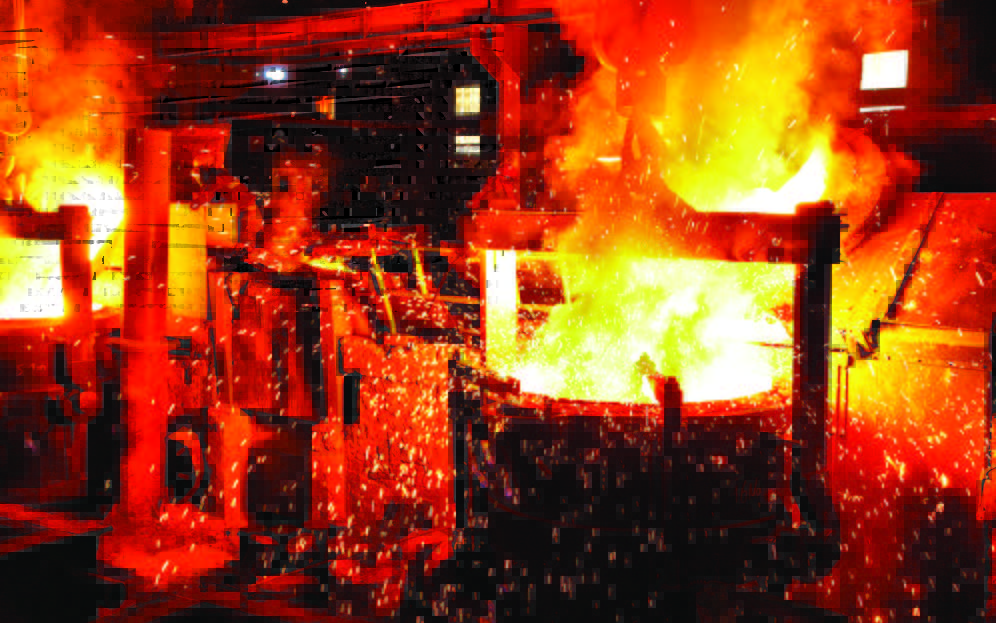
It has high MgO valve and it is heat resisting till 1760 C
The grain structure of Parsis EBT Sand, which is manufactured with special production techniques is not angled. This specialty gives and it ensures it to open without sintering.
The high quality of Parsis EBT Sand is enabling the user to make saving from time and labor costs.
The production of Parsis EBT sand continuously under quality control inspection.
By a possible problem, it will be interfere timely
powder size
- 80mesh; 100mesh; 200mesh; 325mesh; or as customer’s requirement.
TDK TUNDISH
SUPPORT SAND
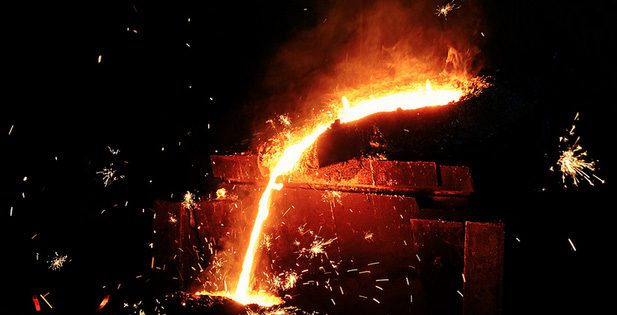
The Parsis Tandis support sand is used by plated type tun dishes on safety lining which is between the working lining and facing,Here , the Parsis Tundish support sand, which is a refractory material with heat bresistance till 1760C, is enabling the heat insulation in resisting to the high temperature on the working lining it is protecting the facing of the tun dish from the factors caused by the high temperature. In that way , it is decreasing the maintenance and repair costs of the safety lining to a minimum level.
The product dimensions: 0-1 mm 1-3 mm
REFRACROY
MORTAR SAND
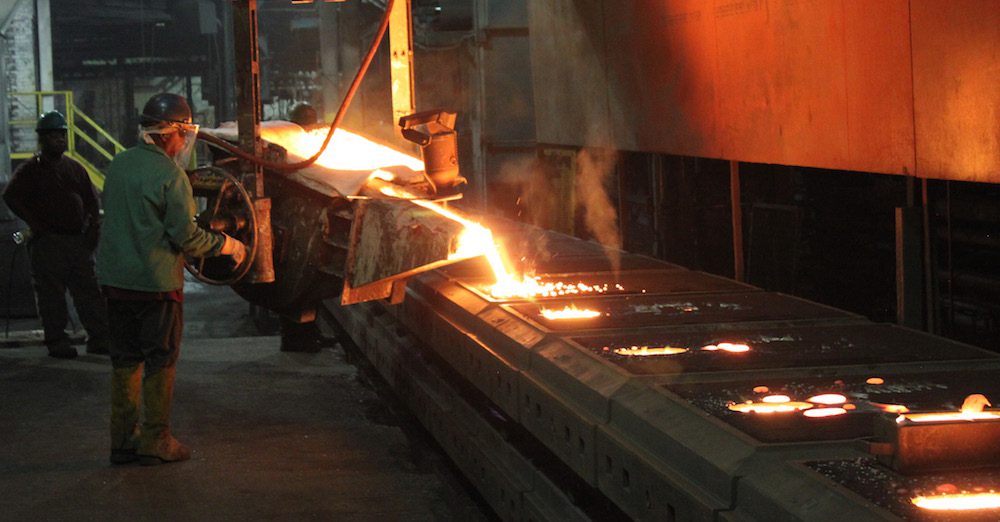
The Parsis Olivine Sand , which is used by the production of refractory materials,is decreasing the production costs and so it gains a place in this industry branch and it is used by the refractory manufacturers intensively.
It is used as admixture material by production of the refractory bricks and gunning mix and the repair mortar in the refractory industry.
The production of Parsis EBT Sand is continuously under quality control inspection. By a possible problem, it will be interfered timely.
SALG
COMPENSATOR
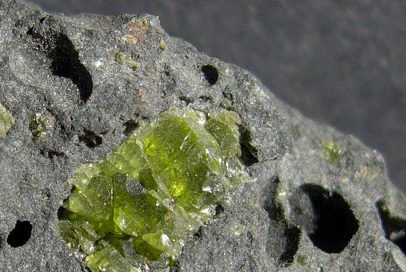
As is known , the Olivine , which is used in the ironsteel factories for many purposes is also used as salt compensator in the blast-furnaces and winters especially in the European countries.
The Olivine can be used as slag compensator both by mixing to the iron ore in the winter and pellet production and by adding directly as billet to the blast-furnaces. The high performance of the olivine is causing more economical and quality solutions rather than the dolomite and the antigorite.
Available grain size
- 98% passing min at 325mesh, or as customer’s requirement
FOUNDRY SAND
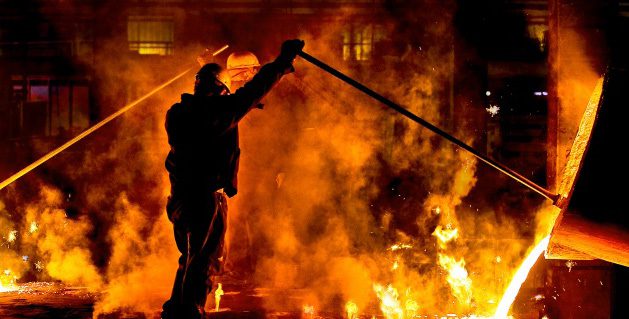
The olivine sand is not reaching with steel and therefore the surface shall be cleaner.
The reuse ratio is higher than the silica.
It is environment friendly.
It is know that the silica sand causes silicosis diseases because it is containing free silica.
Because of the clean surface , it shall be not needed painting.
The production dimensions : AFS 50-55 AFS 60-65
SCRAPPER SAND
BLASTING SAND
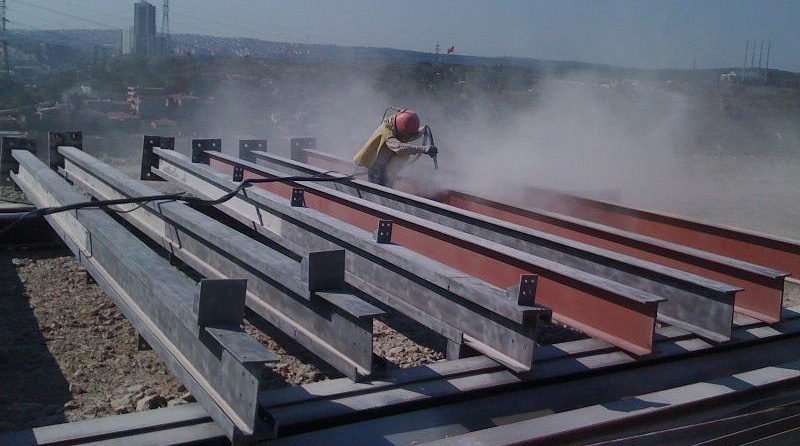
Parsis Blasting Sand is used by the blast cleaning as abrasive consumable,The contrast ratio of the Olivine is 6,5-7 and its angled grain structure.
its high quality regarding its alternatives and low price advantage are marketing the olivine attractive in the sandblasting industry.
The production dimensions:
0-1 mm
1-2 mm
1-3 mm
Available grain size
- 0-1mm; 1-3mm; 3-5mm; 5-8mm; 16-30mesh; 30-60mesh; 120mesh;
200mesh; 325mesh or as customer’s requirement


