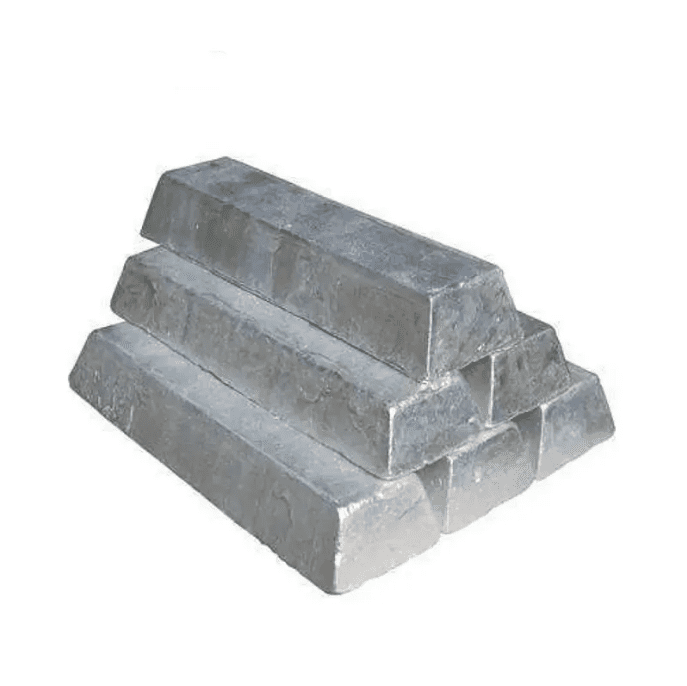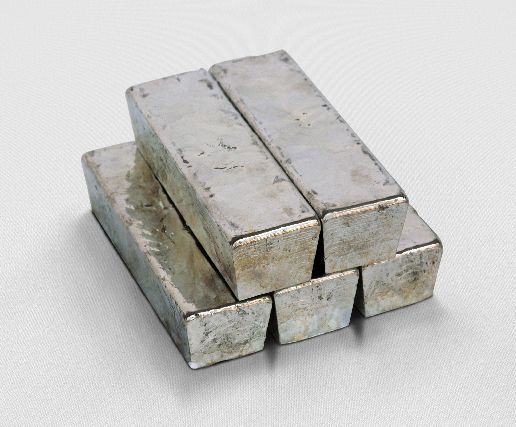
Arsenic lead alloy
Arsenic lead alloys are primarily used to enhance the mechanical properties of lead, particularly its strength and resistance to bending and creep

Introduction
Arsenic is chemically very similar to phosphorus, and it rapidly oxidizes to arsenic oxide when heated. It is usually added to lead along with tin, tellurium, silver or bismuth to provide resistance to bending and creep.
Lead arsenic alloys acquire maximum hardness upon quenching. Subsequent storage of alloys at room temperature leads to softening as arsenic is precipitated.
Key Properties and Uses
*Consideration Toxicity,Both arsenic and lead are toxic metals
Increased Hardness and Strength
Reduced Creep
Lead-Acid Batteries
Ammunition
Small amounts of arsenic can improve the sphericity of lead shot, making it more accurate.
Cable Sheathing
Other Applications
Arsenic is also used in combination with copper and other metals to enhance their properties, including corrosion resistance.
Everything you need Know
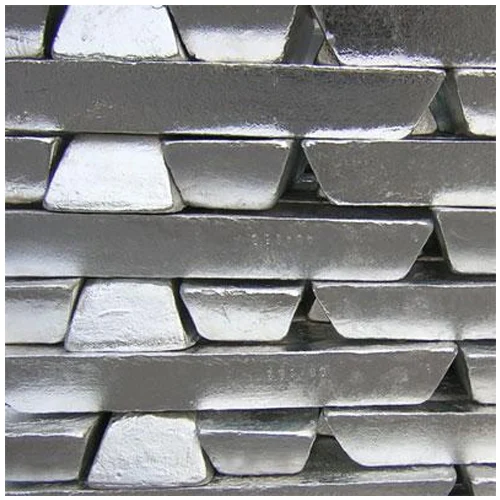
Chemical Composition
The chemical composition of lead-arsenic alloy is outlined in the following table.
| Element | Content (%) |
|---|---|
| Lead, Pb | 99.6 |
| Arsenic, As | 0.15 |
| Bismuth, Bi | 0.10 |
| Tin, Sn | 0.10 |
Physical Properties
The following table shows the physical properties of lead-arsenic alloy
| Properties | Metric | Imperial |
|---|---|---|
| Density | 11.34 g/cm3 | 0.409 lb/in3 |
Mechanical Properties
The mechanical properties of lead-arsenic alloy are displayed in the following table.
| Properties | Metric | Imperial |
|---|---|---|
| Tensile strength | 17.2 MPa | 2490 psi |
| Modulus of elasticity | 14 GPa | 2030 ksi |
| Elongation at break | 40% | 40% |
Thermal Properties
The thermal properties of lead-arsenic alloy are given in the following table
| Properties | Metric | Imperial |
|---|---|---|
| Thermal expansion co-efficient (@20-100°C/68-212°F) | 29.1 µm/m°C | 16.2 µin/in°F |
| Thermal conductivity | 33 W/mK | 229 BTU.in/hrft².°F |
Tomorrow’s battery, available today.
AGM batteries offer superior performance, with a glass mat separator that delivers up to twice the life of standard flooded batteries and unprecedented energy output even in the most demanding conditions.